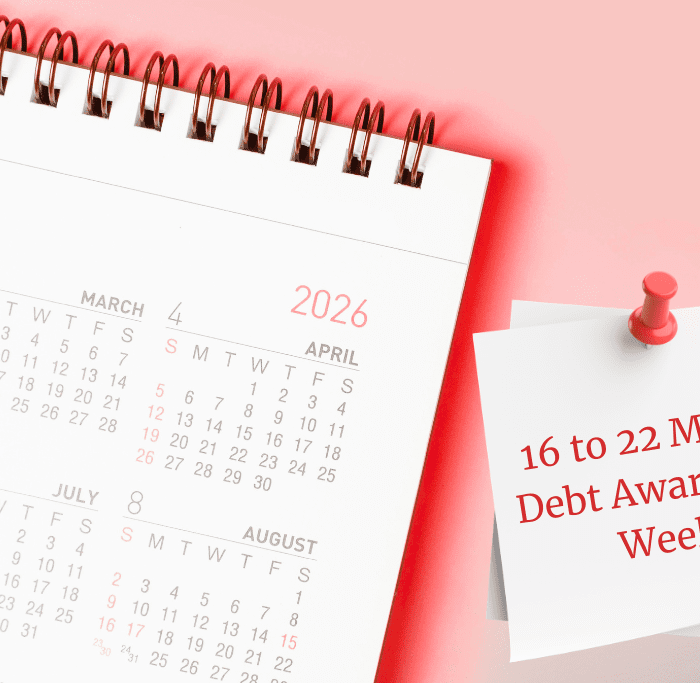
For Small to Medium Sized Enterprises (SMEs) late payments can mean the difference between survival or liquidation. Research commissioned by The Department for Business and Trade estimates that late payments cost the economy almost £11 billion a year, contributing to around 38 businesses having to close their doors every day.
The Government is taking steps to address the problem, with the Commercial Payments Bill introduced in the House of Lords in May 2026. The bill proposes a maximum 60-day payment term for business-to-business transactions, new powers for the Small Business Commissioner to investigate and fine persistent late payers and and enhanced reporting requirements for large businesses with poor payment records, including explaining how they intend to improve their payment practices.
But companies need to ensure they have robust procedures for collecting money owed for invoices, as cash flow is the blood of the business. There are steps to take.
For SMEs, the advice is consistent: make it easy to pay, make expectations clear and follow up systematically.
Set out payment terms in writing before work begins. This should include due dates, payment methods and what happens if invoices become overdue. Clear, documented terms reduce disputes and payment delays.
Invoice as soon as goods or services are delivered rather than waiting until month-end. The quicker the invoice is issued, the sooner the payment clock starts.
Ensure that invoices clearly contain all required information, including purchase order numbers, contact details, payment instructions, due dates and a clear description of the work carried out.
Offer customers multiple ways to pay, such as bank transfer, card payment, online payment links or direct debit.
Before trading with a new customer, assess their creditworthiness through credit checks and background research. Looking at factors such as previous bankruptcies, insolvencies, and the track record of company directors can help you make informed decisions and minimise the risk of non-payment.
For larger projects, and certainly those that might strain the company’s resources, request a deposit upfront and agree on milestone payments. This reduces financial exposure.
Use accounting software to send automatic reminders before and after payment due dates. Many late payments are simply the result of oversight rather than unwillingness to pay. This involves a structured credit control process:
Maintaining regular communication with your customers can help resolve invoice queries quickly.
Companies must be prepared to exercise legal muscle when required. Businesses may be entitled to charge statutory interest and claim debt recovery costs on overdue invoices, subject to relevant rules and contractual terms. Just making customers aware of these rights can encourage payment.
Many successful SMEs follow this sequence:
If you need help with invoicing, your legal position, due diligence, or credit control support, please contact us, we are here to help.
17 November 2026
7 April 2026
11 March 2026
3 December 2024
12 September 2024
3 June 2024
7 December 2023
12 July 2023
4 April 2023
29 November 2022
14 June 2022
10 June 2022
25 May 2022
27 April 2022
20 July 2020
We want to keep you up to date with relevant news, information, advice and changes which might impact you or your business. To ensure you get the latest updates delivered directly to your inbox, sign up to our e-bulletins below.
Available to download on iOS and Android by visiting the links below.
Unique access code: DavidAllen