By Amy Muirhead
Partner
Share
As different generations come together to form partnerships, it is important to review land and property ownership thoroughly. This helps everyone understand their rights and responsibilities and ensures the family farming business remains strong and sustainable for years to come.
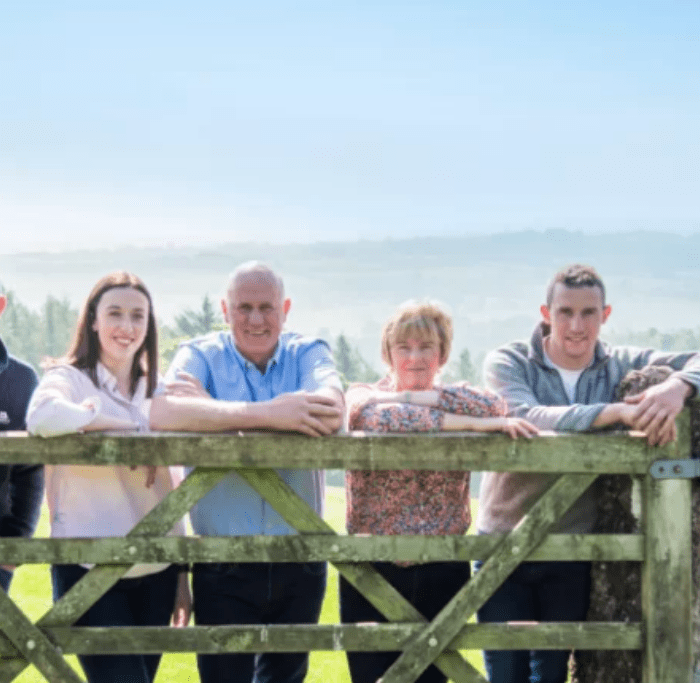
As is often the case with farming families, land and property is owned by one generation but over the years children and other family members are brought into the business, and the ownership of the land becomes muddy. In partnerships, unless stated otherwise, all decisions are made by the majority. So, if land or property has been brought into the partnership as a partnership asset, it is then up to the partnership majority to decide what happens with it. This can sometimes lead to disagreements between older and younger generations about what should be done with these assets.
As a starting point we recommend that families carry out a deeds audit of their land to ensure everyone understands who owns the land and how it is held. This information is imperative when it comes to the preparation of Wills, transferring land or any Inheritance Tax planning.
As a result of the 2025 Autumn Budget, it sparked many discussions about transferring land to the next generation. When deciding this, there are various considerations and taxes which need thought about; one being Stamp Duty Land Tax (SDLT). When land is introduced into a partnership, it is treated as a sale. Essentially, the person bringing the land into the partnership is selling a share of it to the other partners. For example, if there are three partners, and one partner is contributing land whilst profits are split equally amongst them, that partner would be selling a two-thirds share of the land to the business. The partnership may then be liable for SDLT, the amount depending on the value of land or property and the debt associated with it.
It is also important to consider Capital Gains Tax (CGT). When a partner brings land into the partnership, it is treated as if they have given away a share in the land at market value to the other partners. This is a chargeable event for CGT purposes, however the partners receiving shares in the land can make a holdover election to say that they take on the land at the original price paid by the introducing partner. This results in the CGT being deferred until such time as the land is sold on the open market.
As well as taxes, other considerations when transferring land include the effect of potential divorces within the family, the ultimate succession of the family farm as well as the impact and requirement to update the partners’ Wills.
Consideration also needs to be given to what happens if a partner wants to leave the partnership. They might expect to keep the land they introduced to the partnership or the share they believe they own. It is therefore important to plan carefully and consider what will happen if a partner decides to leave, and how the assets will be valued when they retire. This should all be set out in a partnership agreement.
Most people think about who they want to leave their property and land to after they pass away. However, if land or property is part of a partnership, it cannot be left separately in a Will because it belongs to the partnership and forms part of your partnership share. Therefore, any specific gift of partnership land or property in a Will would inevitably fail.
The Chancellor’s latest amendment to IHT proposals on 23 December came as good news for farmers. From 6 April 2026, the proposed amount of agricultural or business assets eligible for full 100% IHT relief will increase from £1 million to £2.5 million per individual. For couples, this means up to £5 million of qualifying assets can now be passed on tax free, in addition to standard IHT allowances. HM Treasury expects the increase to significantly reduce the impact of the reforms, with around 85% of estates paying no more IHT than they would have before the changes.
For farming families this increased allowance offers more room to pass on the farm without triggering a major tax bill. However, while the uplift is positive, it does not remove the need for careful succession planning. Farming assets are complex and family circumstances evolve, a structured plan ensures the farm’s future is secure and that you make full use of allowances.
With the April changes approaching, now is an ideal time to review Wills, partnership agreements, asset ownership and how the farm will transition to the next generation. If you need personalised advice, or have any other agricultural queries, please contact our team of specialist experts at David Allen. We understand that the farming and agricultural industry is like no other and with our team having their own farms and a strong comprehension of this, alongside our technical expertise, enables us to give our clients the best possible advice across all our services.
18 June 2026
30 May 2026
13 March 2026
12 March 2026
27 November 2025
27 November 2025
13 November 2025
18 September 2025
1 September 2025
15 August 2025
3 July 2025
30 May 2025
1 April 2025
16 October 2023
25 September 2023
5 July 2023
4 July 2023
10 June 2022
15 July 2021
We want to keep you up to date with relevant news, information, advice and changes which might impact you or your business. To ensure you get the latest updates delivered directly to your inbox, sign up to our e-bulletins below.
Available to download on iOS and Android by visiting the links below.
Unique access code: DavidAllen