-
Related posts
-

How tailored Mortgage advice can help prevent chain breaks in Cumbria and Southwest Scotland
3 June 2026
-

Employee Financial Guidance at Tarff Valley
23 April 2026
-

Key steps to take before the tax year ends
20 March 2026
-

If you couldn’t work tomorrow, would your income hold up?
5 March 2026
-

Planning to make sure your retirement savings last
5 March 2026
-

Lock it in or keep it flexible? Choosing the right mortgage for you
5 March 2026
-

David Allen Financial Services and NEST Insurance team up to streamline your home insurance experience
16 February 2026
-

A straightforward route to your first purchase when navigating the mortgage maze
27 January 2026
-

Have you set your financial resolutions for the year ahead?
7 January 2026
-

How will the annual ISA cash limit reducing to £12,000 from £20,000 impact me?
27 November 2025
-

How will the 2% increase in the tax rate affect my savings interest?
27 November 2025
-

How will the 2% increase in the tax rate for property income affect me?
27 November 2025
-

How will the 2% increase in the tax rate affect my dividend income?
27 November 2025
-

How will the upcoming changes affect me if I currently use the salary sacrifice scheme to make pension contributions?
27 November 2025
-

Why choosing specialist Mortgage Adviser could be your best move
26 September 2025
-

Your September financial reset
2 September 2025
-

How to choose the right mortgage
25 August 2025
-

Shape your future at your own pace with a SIPP
18 June 2025
-

Is now the right time to remortgage?
21 May 2025
-

The cost of not talking about wealth transfer.
12 May 2025
-

A balanced ISA strategy in uncertain times
1 May 2025
-

What does a Business and Personal Protection Adviser do?
29 April 2025
-

David Allen IT Solutions and David Allen Financial Services join forces with RAW Insurance to advise on your business’s Cyber Insurance
1 April 2025
-

Maximising your savings and investments ahead of the new financial year
21 March 2025
-

Educating, inspiring and accelerating action as a Financial Adviser
7 March 2025
-

Use it or lose it
21 February 2025
-

The role of a financial adviser
4 January 2025
-

Understanding Stamp Duty and Land and Buildings Transaction Tax
20 December 2024
-

How thoughtful giving can shape your children’s future?
10 December 2024
-

Are you confident your bills would be covered if an injury prevented you from working?
20 November 2024
-

Why Private Medical Insurance could be a great option for you
6 October 2024
-

Representation in the industry: A female Financial Adviser’s perspective on roles within financial services
30 September 2024
-
New appointments and a promotion at David Allen Financial Services
1 August 2024
-

What will happen to my money if there is a change in Government?
3 July 2024
-

Remortgaging – How David Allen Financial Services can help you
3 July 2024
-

Choosing the right protection when taking out insurance cover
17 January 2024
-

Money and divorce
29 November 2023
-

David Allen Financial Services can help you when applying for a mortgage
9 November 2023
-

Building a reliable income stream for your golden years
31 October 2023
-

Navigating Your Path to Homeownership with our Specialist Mortgage Team
25 August 2023
-

Do you need to top up your National Insurance Credits?
7 July 2023
-

Guarantor Mortgages
28 June 2023
-

Early Bird Investors
22 June 2023
-

Are you worried about NHS waiting times?
14 June 2023
-

New Appointment for David Allen Financial Services
12 May 2023
-

State Pensions and Gaps in National Insurance
20 April 2023
-

Pensions Lifetime Allowance changes
20 April 2023
-

How much will my mortgage go up?
19 April 2023
-

Cleaning up your finances this Spring
17 March 2023
-

Pensions, Savings and Investments – Spring Budget 2023
15 March 2023
-

Frequently asked questions when it comes to re-mortgaging your property.
17 November 2022
-

Why save?
14 July 2022
-

Women and Finance
15 June 2022
-

Ensuring Our Children Are Financially Aware
20 May 2022
-

What is a mortgage decision in principle?
4 May 2022
-

Top tips for self-builds
27 April 2022
-

Steve Balmer celebrates 10 years at David Allen
12 April 2022
-

Why remortgage?
1 April 2022
-

Spring cleaning your finances
17 March 2022
-

Understanding your credit score
1 March 2022
-
Will you receive a full state pension?
23 February 2022
-

New Director for David Allen Financial Services
10 February 2022
-

Gifting Money
4 February 2022
-
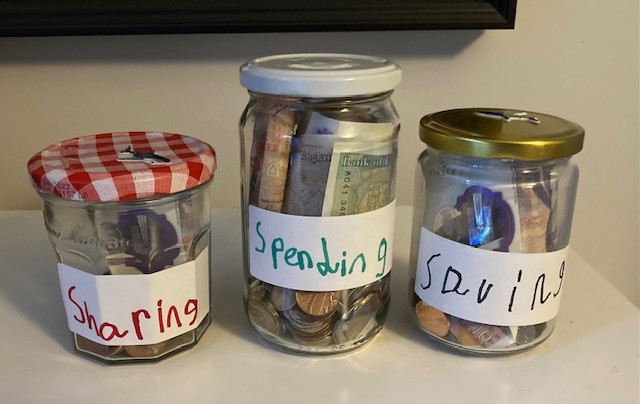
Sharing, Spending, Saving
28 January 2022
-

ERNIE and your savings
14 January 2022
-

What changes can affect your Will?
4 January 2022
-
Child Trust Fund or Junior ISA – which is the best option?
4 January 2022
-

Pensions following the budget
8 December 2021
-

Talk Money Week – Mortgages
15 November 2021
-

Talk Money Week – Protection
15 November 2021
-

Talk Money Week – Junior ISA
15 November 2021
-

Talk Money Week – Savings and Investments
15 November 2021
-

Talk Money Week – Retirement
15 November 2021
-

Calling all homeowners!
14 October 2021
-

Why Save?
7 October 2021
-

Is Private Medical Insurance the way forward?
5 October 2021
-

How much money will you need when you retire?
10 September 2021
-

When a client gives feedback like this, we can’t help but share it
16 July 2021
-

What do we mean by a ‘protection review’?
8 July 2021
-
Income protection…with a little something extra!
13 June 2021
-

Are you new to the idea of ‘Financial Wellbeing’?
13 May 2021
-

My first few months at David Allen Financial Services
7 May 2021
-

Help! My mortgage has gone on to my lender’s ‘standard variable rate’, what does this mean?
30 April 2021
-
Meet Donna Wilson, our mortgage and protection specialist
6 April 2021
-

Is your pension working hard enough for you?
24 March 2021
-

Removing the stigma surrounding Financial Advisers
10 March 2021
-

Everything you need to know about the Mortgage Guarantee scheme
4 March 2021
-
Financial Wellbeing and everything in between
2 March 2021
-
David Allen adds sixteen years’ experience to their financial services team in Dumfries
24 February 2021
-

David Allen Financial Services collaborate with Watchtree Nature Reserve
29 October 2020
-

Contingent Charging and the value of advice (For Information Only)
29 September 2020
-

The importance of using a mortgage broker
28 August 2020
-

How do you boost your Financial Wellbeing?
15 June 2020